LOCATION: Landskrona Museum. Opening hours: Friday 4 September 12:00–21:00 / Saturday 5 September 11:00–20:00 / Sunday 6 September 11:00–17:00 / 7–20 September Daily 12:00–17:00
After the end of the First World War, a new generation of artists emerged in Europe and Russia, with the ambition to depict the present with new eyes. The photographers took advantage of the camera’s objective depiction with maximum sharpness of focus, clean lines and cool realism, and they wanted to make the viewer aware of everyday things.
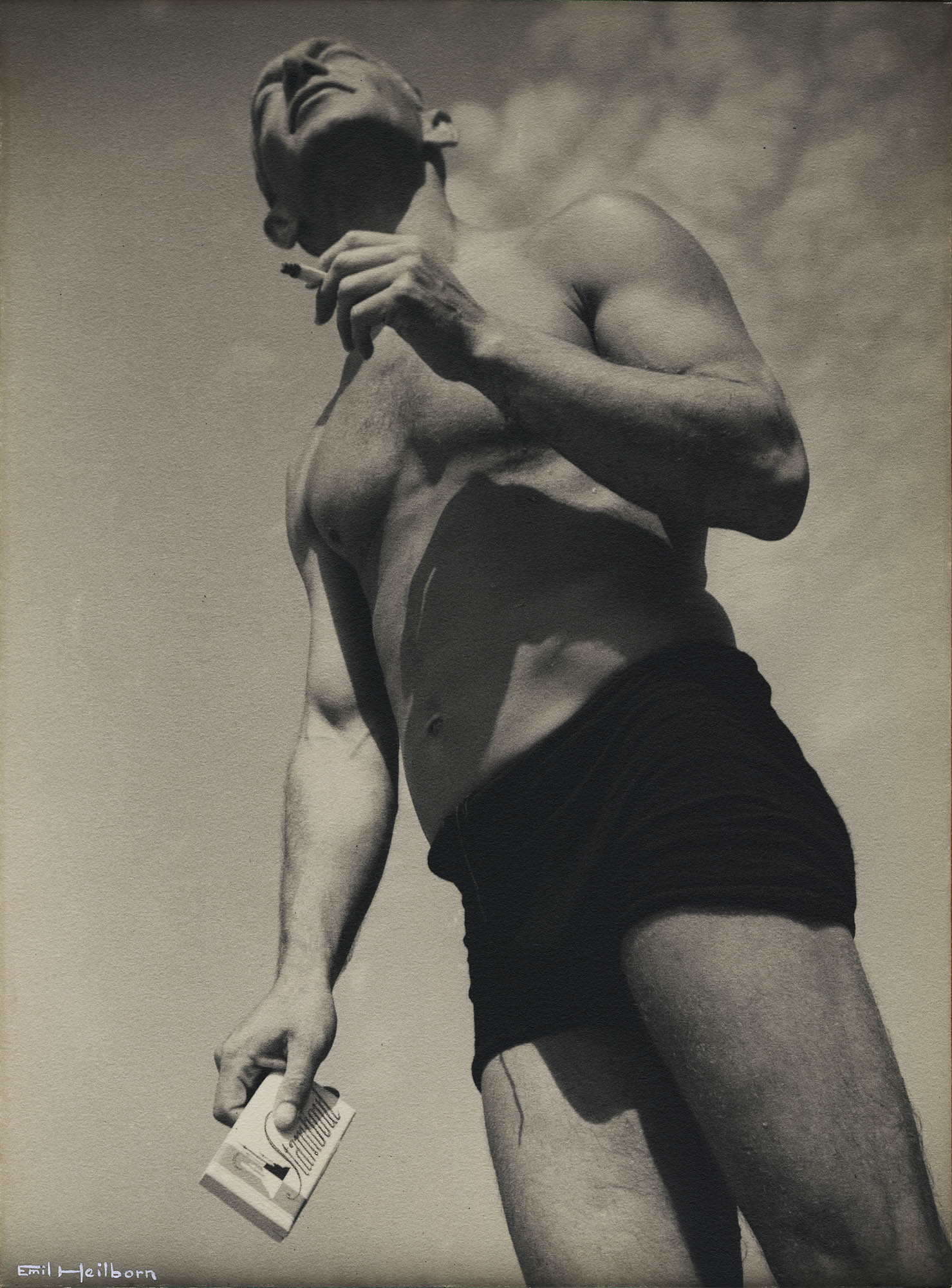
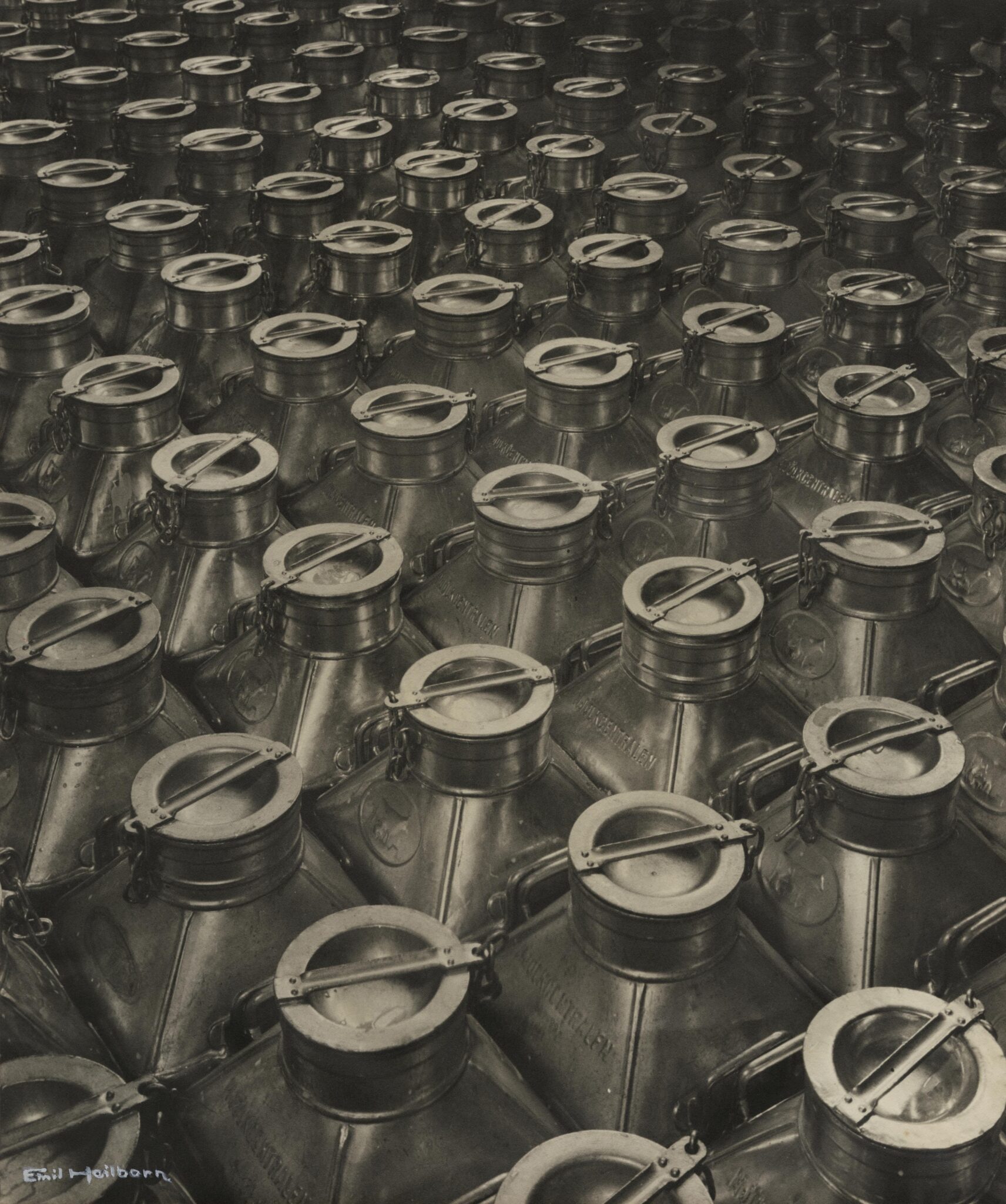
It was in this new modernist spirit that the photographer Emil Heilborn (1900–2003) worked. With his bold compositions, playing with sloping horizons and abstract shapes, he sought to go against the established norms of photography.
Often it was not the motif itself that provided the drama. It was Heilborn’s artistic eye and his execution that charged the images and made them unique. No other photographer in Sweden before him had deliberately allowed the angles in a picture to create such challenging tension. What impresses most is his artful photomontage.
Heilborn speaks to us by blending graphic design, modern typography and photography. With the aid of the camera, he allows the viewer to be led into the innermost essence of the new industrial society. During the 1940s, Heilborn increasingly switched to working with film.
Landskrona Museum is now exhibiting 90 or so of Heilborn’s photographs, together with sketches, documents and personal items from his long life as a photographer. The exhibition also includes some of his films that capture the post-war spirit of optimism and belief in the future.
Emil Heilborn was born in Saint Petersburg, Russia, in 1900. His father was consul general and owner of several factories in the paper industry. After the end of the First World War, his parents left Russia, when the family’s large fortune was confiscated by the Russian state.
Heilborn had already moved to Stockholm a couple of years earlier. After graduating from high school and doing his military service, he went to Detroit and trained as an engineer in the automotive industry. At the age of 27, he returned to Sweden and found employment at General Motors in Hammarbyhamnen.
In the early 1930s, Heilborn switched career to become a photographer in advertising and industry. His skill and artistic ability would give him important assignments in major industrial corporations such as Stora Kopparberg, LKAB, Scania-Vabis, Electrolux and Sandviken Ironworks.
Alongside photography, Emil Heilborn was a highly skilled sportsman who excelled in sailing, field shooting, parachuting and swimming. In 1936, he became world archery champion.
Bruno Ehrs, photographer