We live in a world where images constantly surround us – on social media and in news feeds, in advertising, in public spaces, and in our private conversations. Images inform, tell stories, and influence how we perceive people, places, and events.
At Landskrona Foto, we are committed to the long-term development of visual literacy – the ability to see, interpret, analyse, and critically engage with images. Being accustomed to seeing, sharing, and creating images is not the same as understanding how they work.
Every photograph is the result of choices. What is shown, and what is left outside the frame? Who created the image, and for what purpose? How do perspective, framing, and context influence our interpretation? By asking questions about images, we can develop a deeper understanding of the visual culture that surrounds us.
Children and Young People
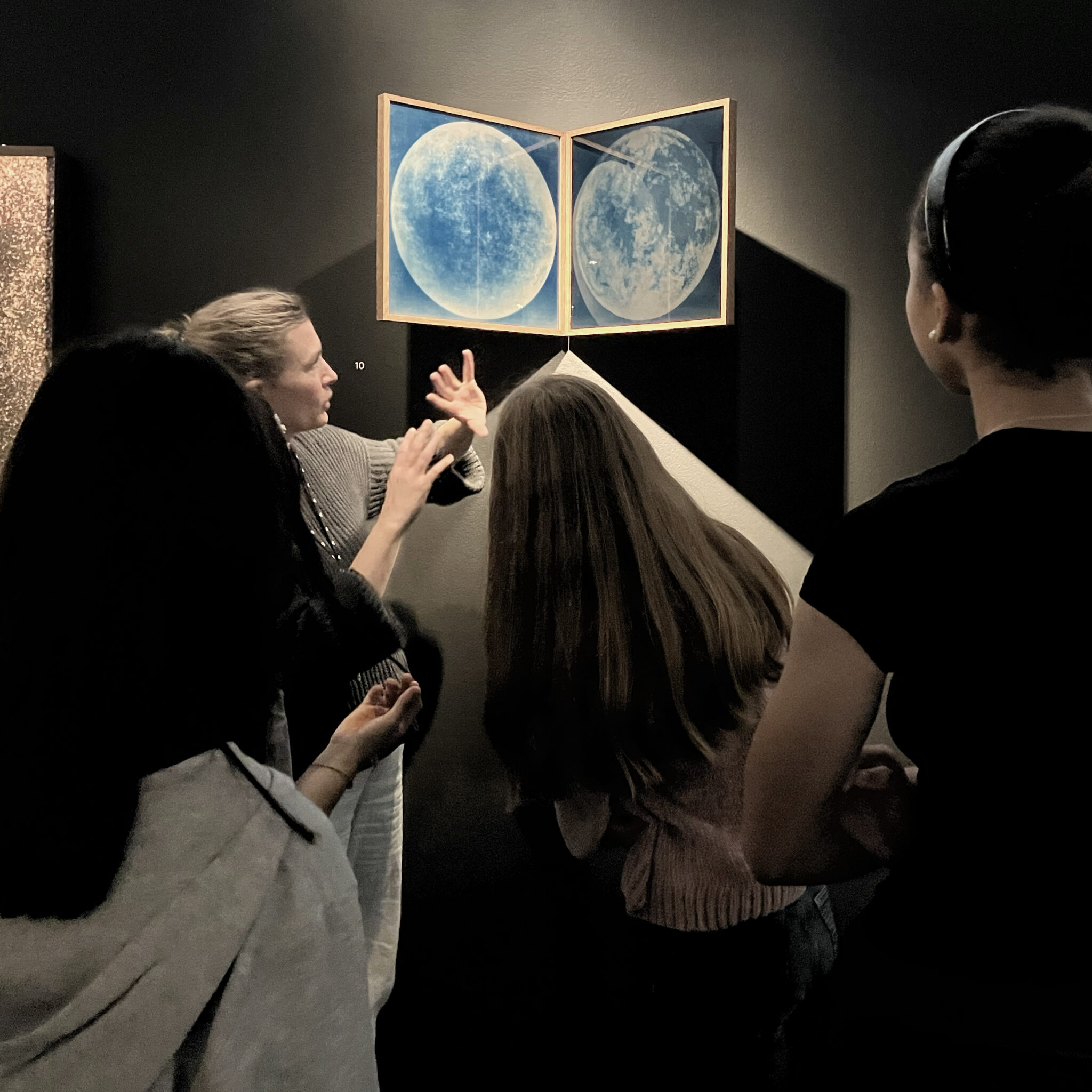
Children and young people are an important focus of our work. Through discussions about images, workshops, hands-on photography, and encounters with exhibitions, they are given the opportunity to explore photography as an art form, a means of communication, and a tool for understanding the world around them.
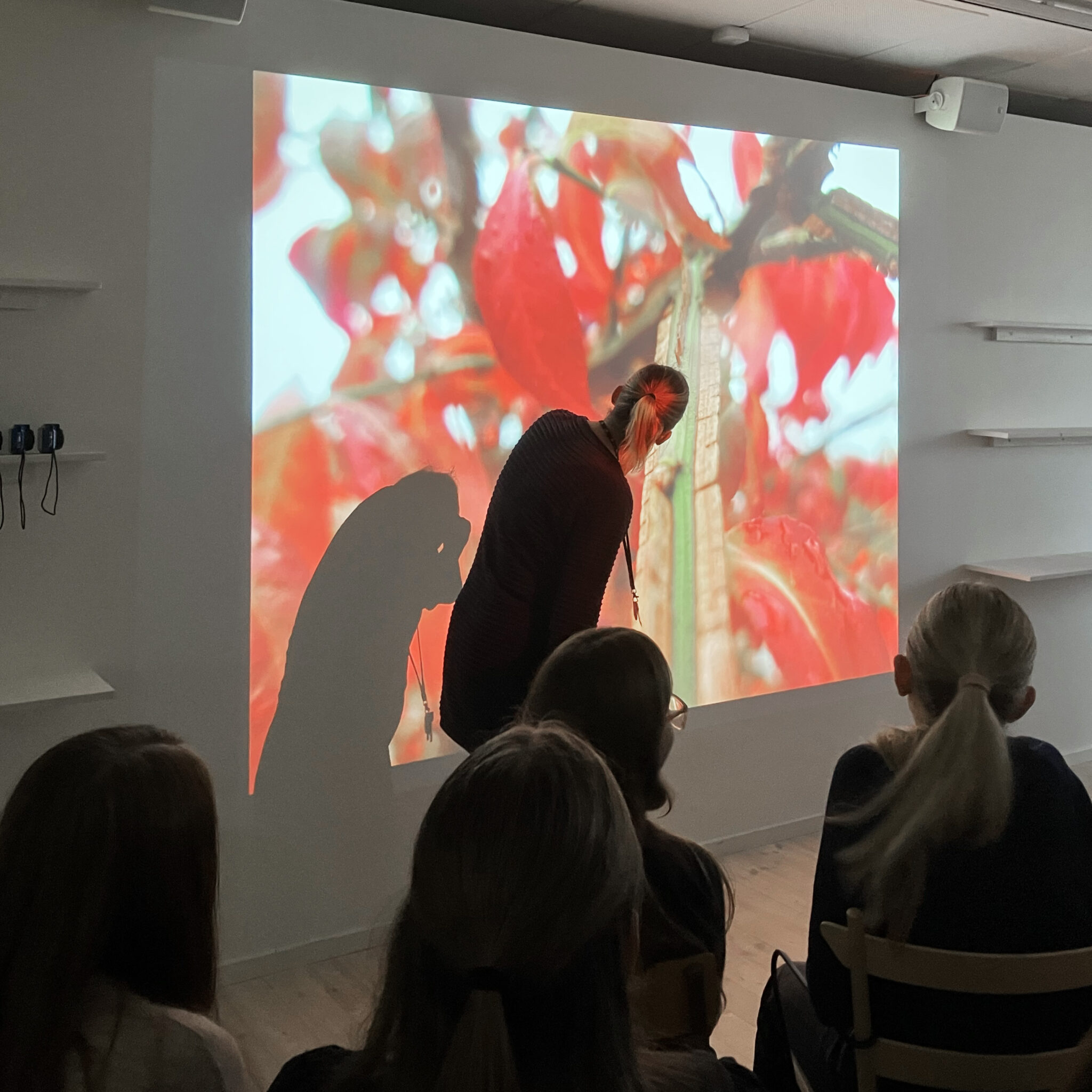
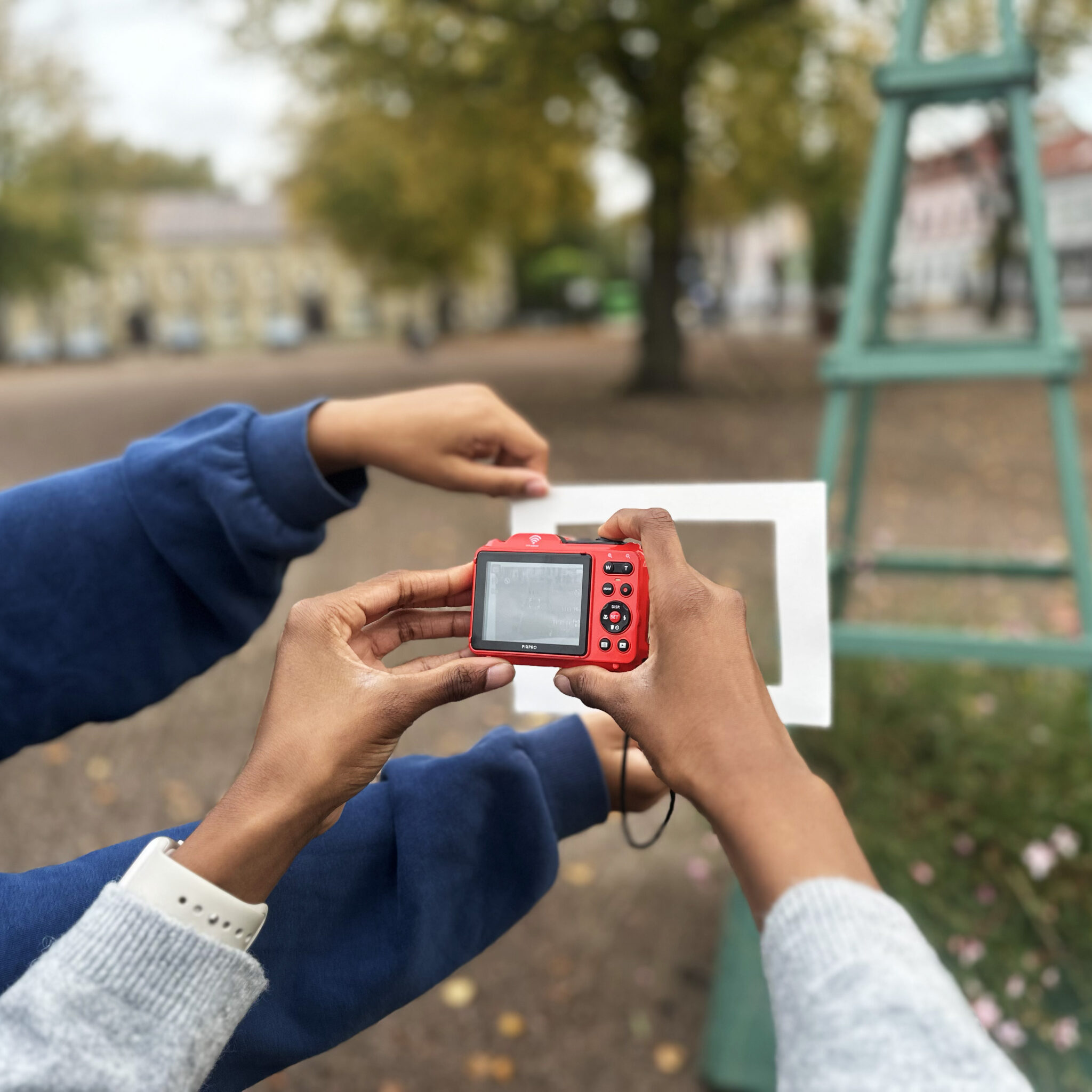
One example is our work within Kulturtrappan, where sixth-grade students combine image analysis with practical photography. By experimenting with perspective, angles, and expression themselves, they discover how a photographer’s choices shape an image and how the same subject can be portrayed in different ways.
We also want to give children the opportunity to discover the photobook as a way of telling stories through images. We are therefore developing our photography library with a growing selection of photobooks for children – a place to browse, read images, discover photographic stories, and talk about what they see.
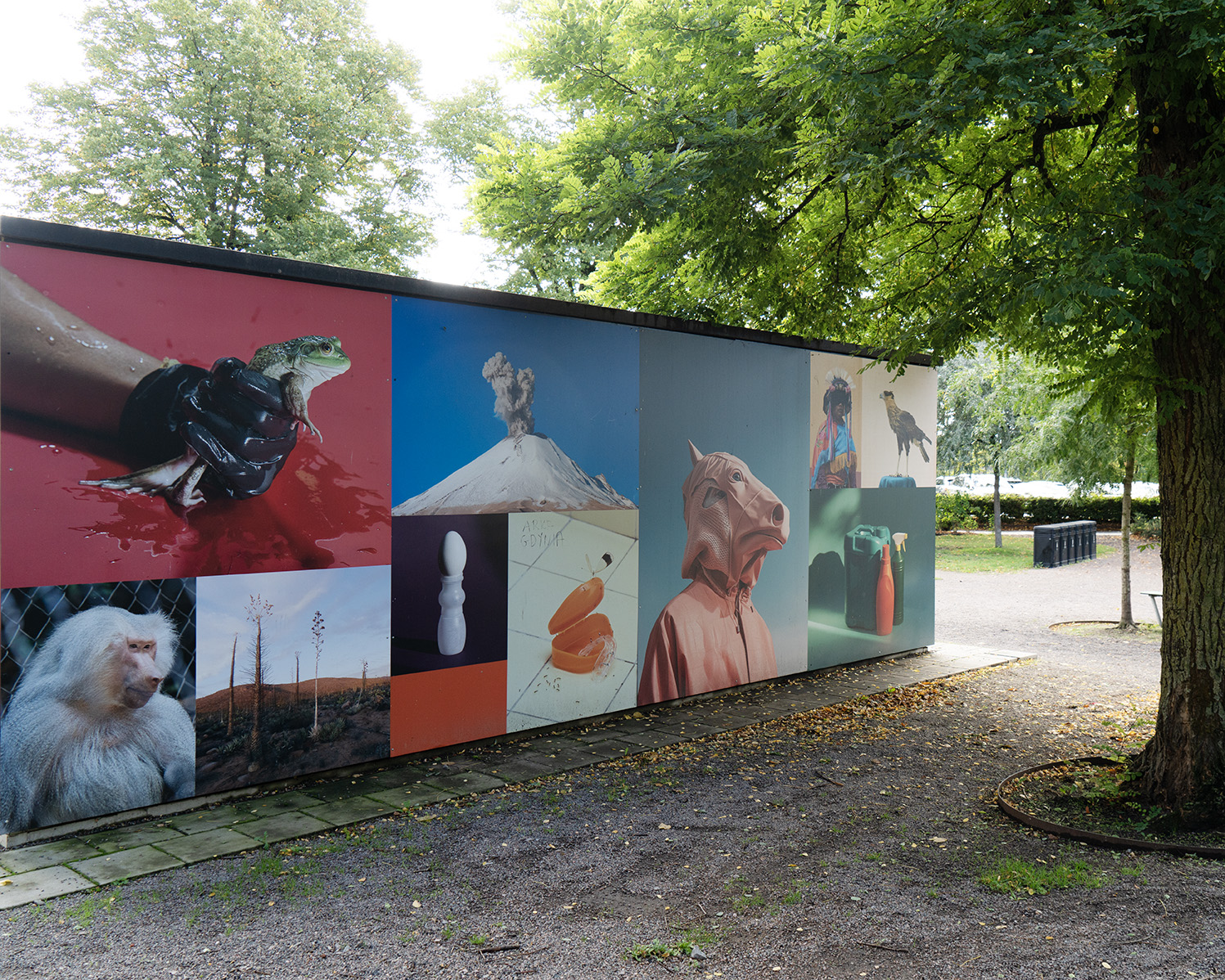
Our work also extends beyond our own venues. In Teaterparken, Landskrona Foto is developing an outdoor exhibition space where children can encounter photography on their own terms – through play, conversation, and exploration.
Images and Democracy
For us, visual literacy is also a matter of democracy. Being able to interpret images, understand how they are used, and encounter different perspectives gives us better tools to navigate society and participate in public discourse. We see conversations about images as an important part of the democratic space.
At a time when we encounter more images than ever before, perhaps one of the most important skills is also one of the simplest:
To pause. Look again. And ask ourselves what it is we are really seeing.